


Share
RFK Life and Legacy
Robert F. Kennedy’s life and words serve as our inspiration. His legacy drives everything we do.
Robert F. Kennedy’s youthful energy, moral vision, and capacity to lead created momentum for change. As Patricia Sullivan explores in her book “Justice Rising,” while the lives of both Robert F. Kennedy and Martin Luther King have achieved iconic stature, the historical significance and contemporary relevance of both men, “lives in their actions and the evolution of their ideas. Their faith in the capacity of democracy to advance a just, equitable, and humane society, while severely tested, was not defeated.”
This is the work that we continue today.
Grounded in the legacy of Robert Kennedy and his transformative leadership, we hold governments accountable, engage business to align with human rights norms, train the next generation of leaders, and celebrate agents of change in order to fulfill the charge he gave us in 1968 to “dedicate ourselves to what the Greeks wrote so many years ago, ‘to tame the savageness of man and make gentle the life of the world.’”
Life and Legacy

Read Robert F. Kennedy’s Full Address To The Friendly Sons Of St. Patrick Dinner
March 17, 1964 in Scranton, PA.

The Life and Legacy of Robert F. Kennedy
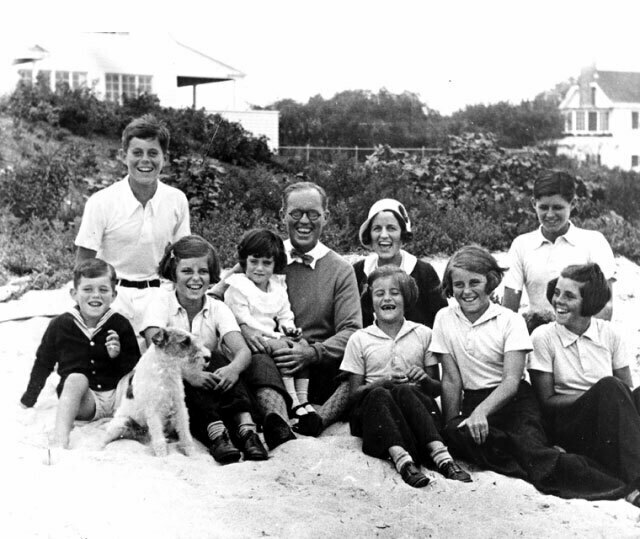
Robert F. Kennedy: A Brief Biography
Help us protect human rights
Please give now. Your contribution will make a difference in the critical effort to achieve equal rights for all.